
Lone Worker Safety Utilities Sector Europe: What Field Teams Need in 2026
Lone worker safety utilities sector Europe is a subject that does not get enough attention. Meter readers, grid maintenance engineers, and field technicians routinely work alone. Often in remote locations, far from immediate help. Yet compared to sectors like construction or healthcare, utilities rarely features in safety content or compliance discussions.
That is starting to change. Regulatory pressure is increasing across Europe and the risk profile of utilities field work is getting sharper.
The Hidden Risk Profile of European Utilities Workers
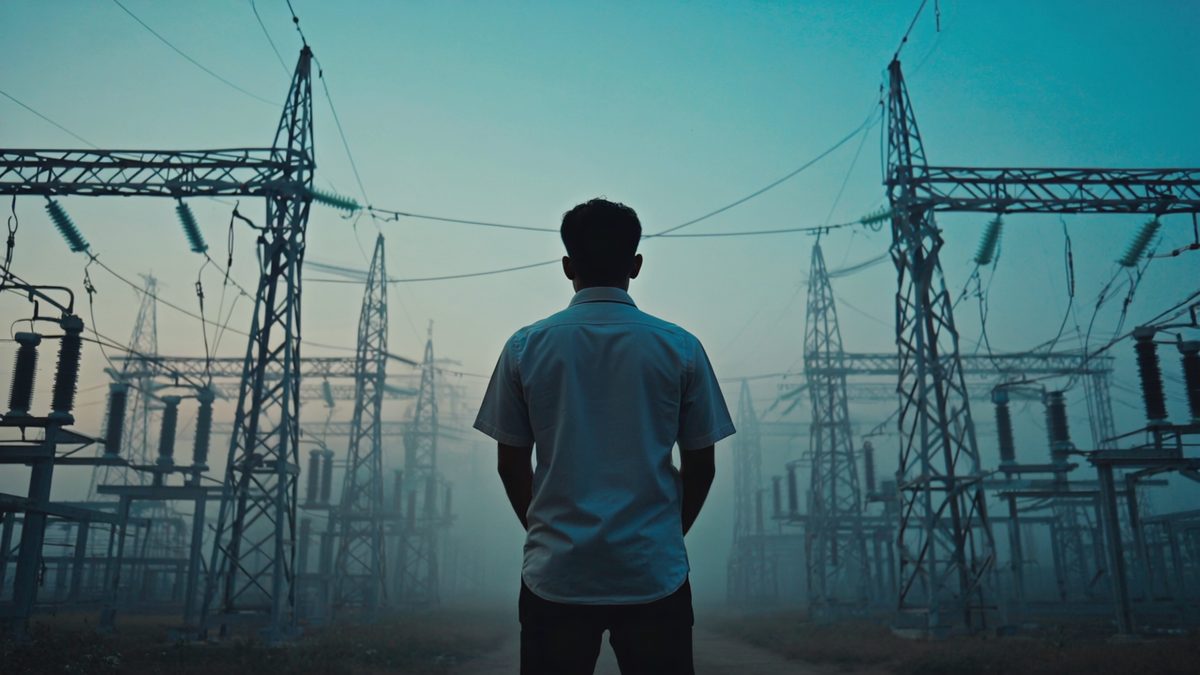
Utilities workers face a combination of hazards that few other lone worker groups encounter simultaneously.
Physical hazards come first. Grid maintenance crews work near live electrical infrastructure, pressurised pipelines, and confined access points. A fall, a sudden incapacitation, or an electrical incident can turn a routine task into a life-threatening emergency within seconds.
Then there is the public contact risk. Meter readers and network inspectors enter residential and commercial premises regularly. They cannot always anticipate how a visit will be received. EU-OSHA data on third-party violence at work confirms that field-facing roles carry elevated exposure to aggression and harassment. For a lone worker, there is no colleague nearby to assist.
Network dead zones add a third layer of complexity. Substations, rural pipeline routes, and underground access points often fall outside reliable mobile coverage. A standard smartphone panic button is only useful if it can send a signal. Many cannot.
Finally, lone utilities workers often operate on unpredictable schedules. A planned two-hour grid inspection can extend without any check-in. Without a structured lone worker safety tracking system in place, a missed check-in may go unnoticed for hours.
The Sectors Most Exposed in Europe
Germany, France, the Netherlands, and the Nordics all operate extensive utility networks with large field workforces. In Germany, DGUV Regel 112-139 describes personal emergency signal systems for people who work alone. In Spain, the technical guidance NTP 344 describes how to organise help for people working alone. Across the board, the obligation is clear: employers must implement traceable, defensible safety controls for isolated field workers.
Lone worker rules for utilities in Europe
Europe has no single lone worker law. The EU Framework Directive 89/391/EEC requires every employer to assess risks and take measures, including for people who work alone. Member states set the details in national law. Our guide to lone worker regulations in Europe explains how this works.
For utilities, this is not simply a box-ticking exercise. The EU OSH Framework Directive (89/391/EEC) requires employers to assess and control the risks of isolated work. National laws make those duties concrete.
Utilities companies now need to show three things. First, that they have completed a lone worker risk assessment for utilities roles, identifying hazards specific to each work type. Second, that they have a documented lone worker policy in place. Third, that they deploy a technical monitoring solution capable of generating an auditable response trail when a worker raises an alert.
Lone worker safety in the utilities sector Europe is no longer a matter of goodwill. It is a legal obligation with real consequences for non-compliance.
Critical Safety Requirements for Grid and Metering Teams
Not every lone worker safety solution is built for utilities field work. The sector’s specific risk profile demands specific capabilities.
Man-Down and Fall Detection
A utility engineer working alone near high-voltage infrastructure cannot manually trigger an alert if they are incapacitated. Automatic detection is not optional here. A man-down alarm that activates on detection of a fall or absence of movement sends an alert without requiring any action from the worker. That automatic response can be the difference between a recoverable incident and a fatality.
Multi-Network Connectivity
Any credible utilities lone worker compliance solution must support multi-network fallback to maintain contact in coverage-dead zones.
ARC Integration for 24/7 Response
When an alert fires, something must happen. Internal monitoring by supervisors is not sufficient for round-the-clock coverage, particularly for workers on early-morning or evening shifts. Integration with a professional Alarm Receiving Centre (ARC) ensures every alert reaches a trained responder at any hour.
Geofencing and Indoor Positioning
Utilities sites often have defined safe and restricted zones. Geofencing capabilities allow safety managers to configure automatic alerts when a worker enters or exits a defined area. In combination with indoor positioning using beacons, this creates accurate situational awareness even inside substations or underground facilities.
Why White-Label SaaS is the Integrator’s Best Tool for Utilities
Many European utilities companies do not buy safety technology directly. They source it through system integrators, managed service providers, or safety technology resellers. That channel dynamic creates a clear opportunity, and a clear responsibility, for integrators serving the utilities sector.
A white-label safety platform allows an integrator to deliver a fully branded lone worker safety service to utility clients without building proprietary infrastructure. The integrator controls the customer experience. The client sees their supplier’s brand, not the underlying platform vendor.
Cuebly is built precisely for this deployment model. The platform supports real-time tracking, device configuration, over-the-air updates, indoor positioning with beacons, and advanced scenario building. It integrates directly with Alarm Receiving Centres for 24/7 monitoring. Multi-customer management is handled from a single reseller environment, meaning an integrator can serve ten utility clients from one interface without duplicating effort.
For lone worker safety in the utilities sector Europe, this architecture has a practical advantage. Utilities companies are typically mid-to-large organisations with multiple teams, shift patterns, and geographic zones. A scalable, multi-customer SaaS platform scales with that complexity far more efficiently than point solutions.
Cuebly is also built with GDPR compliance as a default, hosted on EU cloud infrastructure. Worker location data is sensitive personal data under EU law. Not every platform handles that correctly. Cuebly does.
As the EU-OSHA Strategic Framework on Health and Safety 2021 to 2027 continues to drive occupational safety standards higher, European utilities companies will need to demonstrate defensible, documented safety processes. Integrators who offer that capability now will be better positioned than those who wait.
Ready to build a compliant lone worker safety service for utilities clients? Explore the Cuebly platform or contact us to discuss a white-label deployment.
Frequently Asked Questions
Utilities field workers face several overlapping risks. Physical hazards include proximity to live electrical infrastructure and confined access points. Third-party violence is a documented risk for meter readers and site inspectors. Network dead zones prevent standard mobile tracking from functioning reliably in substations or rural pipeline routes. Combined with unpredictable task durations, these factors make utilities one of the highest-risk lone worker environments in Europe.
The EU Framework Directive 89/391/EEC requires employers to assess the risks of every job, including work done alone, and to take proportionate measures. National laws add the details, such as the Arbowet in the Netherlands and the DGUV rules in Germany. In practice this means a role-specific risk assessment, a written lone worker policy and a reliable way to raise and follow up alarms. A platform that keeps an auditable trail of every alert helps employers show that they meet these duties.
Utilities engineers frequently work near hazards that can cause sudden incapacitation, including electrical incidents and falls from height. If a worker cannot manually trigger a panic button, automatic man-down detection becomes essential. A man-down alarm activates without any action from the worker, sending an alert to a monitoring centre immediately. For isolated field teams, that automated response is a critical safety layer that a simple check-in app cannot replicate.
A white-label SaaS platform allows a system integrator or managed service provider to deliver a fully branded lone worker safety service without building proprietary software. The integrator manages all client accounts from a single environment, reducing operational overhead. Clients receive a consistent, branded experience. For utilities, where deployments often involve multiple teams and geographic zones, a scalable multi-customer platform is far more efficient than deploying separate point solutions for each client.
Yes. Cuebly is built with GDPR compliance as a default and is hosted on EU cloud infrastructure. Worker location data qualifies as sensitive personal data under EU law, requiring a documented lawful basis, data minimisation, and EU-based storage. Cuebly’s architecture addresses all three requirements, making it a defensible choice for utilities companies operating under European data protection obligations.
Demo
Offer this to your clients, under your own brand
In a demo we show the platform and the app, with a situation from your own clients.
Keep reading
Related articles
Safety Insights
Lone worker app or dedicated device: which is right?
A lone worker app turns a smartphone into a personal safety device. A dedicated device is a separate…

Safety Insights
Violence Against Lone Workers Industry Risk: Which Sectors Are Most Vulnerable
Violence against lone workers industry risk is rising sharply, with 20% of incidents in 2024 involving aggression. This…
Safety Insights
Is Mobile Phone Lone Worker Protection Enough? The Honest Answer
Mobile phone lone worker protection sounds simple, but relying solely on smartphones creates genuine legal and operational risks…